
In recent years, water purification has become an essential focus for industries and municipalities alike, driven by increasing environmental concerns, stringent regulatory requirements, and the rising demand for clean, potable water. The cost of establishing a water purification plant is one of the most critical factors influencing the expansion and modernization of water treatment infrastructure. Understanding the various elements that contribute to water purification plant costs is vital for stakeholders including investors, government bodies, and technological providers.
### Factors Influencing Water Purification Plant Cost
The cost of a water purification plant depends on numerous parameters such as plant capacity, technology selection, site conditions, and operational complexity. Generally, water purification systems are designed to remove contaminants, pathogens, and impurities through processes like filtration, sedimentation, chemical treatment, and advanced membrane technologies like reverse osmosis and ultrafiltration.
**Capacity and Scale:**
The size of the plant is one of the most significant cost determinants. Small-scale plants designed for community use will have considerably lower costs compared to large municipal or industrial-scale facilities capable of processing millions of liters daily.
**Technology Choices:**
The adoption of advanced purification technologies typically entails higher initial capital expenditure but often results in improved efficiency, lower operating costs, and better water quality output. For example, reverse osmosis and UV treatment systems require sophisticated equipment and maintenance routines, influencing both CAPEX and OPEX.
**Infrastructure and Site Conditions:**
Geographical location, terrain, and accessibility impact construction and installation costs. Plants constructed in regions with challenging terrain or limited infrastructure tend to incur higher costs due to logistics and civil engineering demands.
**Regulatory Compliance and Environmental Considerations:**
Meeting local and international water quality standards necessitates specific equipment and process controls. Additionally, waste disposal and environmental mitigation measures add to overall costs.
---
### Overview of the Water Purification Industry in China
China’s rapid industrialization and urbanization continue to drive the need for robust water treatment solutions. With increasing emphasis on environmental sustainability, water purification projects have become a national priority, fostering significant investments in technology and infrastructure development.
One noteworthy contributor to China’s water treatment and industrial equipment manufacturing sector is **Hubei Lingtan M&E Equipment Co., Ltd.** Located in Xianning, Hubei province—a region famed for its hot springs and Osmanthus fragrans—this company integrates research and development, manufacturing, sales, and service within its operational framework, specializing in gas cylinders and pressure vessels.
### Role of Hubei Lingtan M&E Equipment Co., Ltd. in Supporting Water Purification Infrastructure
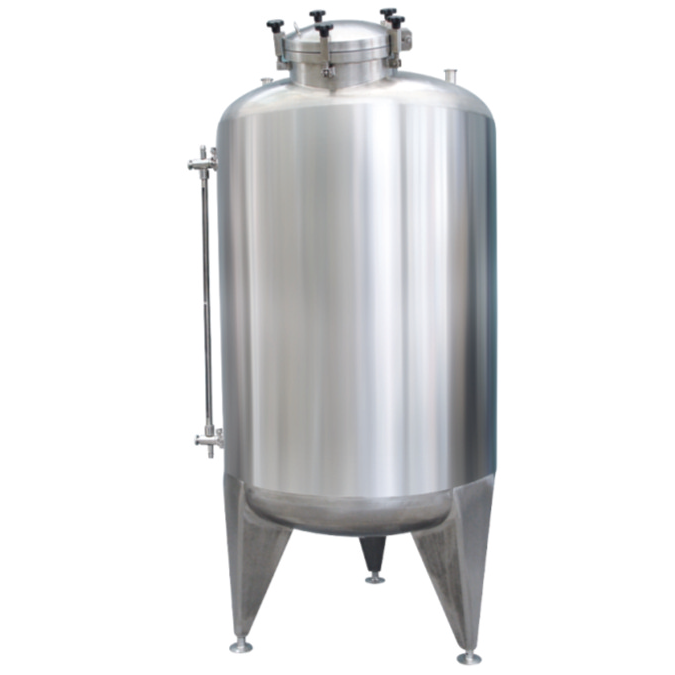
While primarily known for pressure vessel and gas cylinder manufacturing, Hubei Lingtan M&E Equipment Co., Ltd. plays an important role in providing critical components used in water purification and treatment plants. Pressure vessels are essential in various water treatment processes, including filtration and chemical treatment phases, where containment of high-pressure gases or liquids is required.
By leveraging its advanced manufacturing capabilities and rigorous quality controls, the company supplies reliable pressure vessels that meet industry standards, ensuring safety and operational efficiency for water purification plants. Their integrated approach encompassing R&D, manufacturing, and after-sales service positions them as a trusted partner in the industrial equipment supply chain associated with water treatment sectors.
---
### Economic and Environmental Implications of Water Purification Investment
Investing in water purification infrastructure brings extensive benefits beyond just providing clean drinking water. It supports public health, enables sustainable industrial development, and helps preserve aquatic ecosystems. However, balancing costs and benefits remains a constant challenge.
**Initial Investment vs. Long-Term Savings:**
Modern water purification technologies might require substantial upfront investment, but improvements in system efficiencies frequently translate to reduced energy consumption and lower operational costs. Additionally, plants that employ cutting-edge automation and monitoring can minimize labor costs and enhance reliability.
**Environmental Impact Reduction:**
Water purification plants help reduce pollutants discharged into natural water bodies, mitigating environmental degradation. Furthermore, cutting-edge plants often incorporate waste minimization and recycling protocols, aligning with circular economy principles.
---
### Looking Ahead: Trends in Water Purification Pricing and Technology
Technology innovation continues to transform the water purification industry, with emerging solutions such as nanofiltration membranes, advanced oxidation processes, and AI-driven process optimization gaining traction. These advancements promise more cost-effective and environmentally friendly purification methods.
In China, governmental support and favorable policies are stimulating R&D activities and infrastructure investments. Companies like Hubei Lingtan M&E Equipment Co., Ltd. are strategically positioned to support this growth by providing high-quality industrial components essential for building modern water treatment facilities.
---
### Conclusion
The cost of establishing a water purification plant is influenced by multiple factors including capacity, technology, and site-specific conditions. While initial investment costs can be substantial, the long-term benefits in public health, environmental protection, and sustainable development are significant.
The support from specialized manufacturers, such as Hubei Lingtan M&E Equipment Co., Ltd., ensures that water treatment plants are equipped with reliable pressure vessels and essential components, contributing to the overall success and efficiency of these critical infrastructures. As innovation and environmental priorities continue to shape the water purification landscape, strategic collaborations and investments will be key drivers in delivering affordable, high-quality potable water for communities worldwide.